It’s Hard To Plan For A Future When The Future Doesn’t Feel Like Something You Can Rely On.
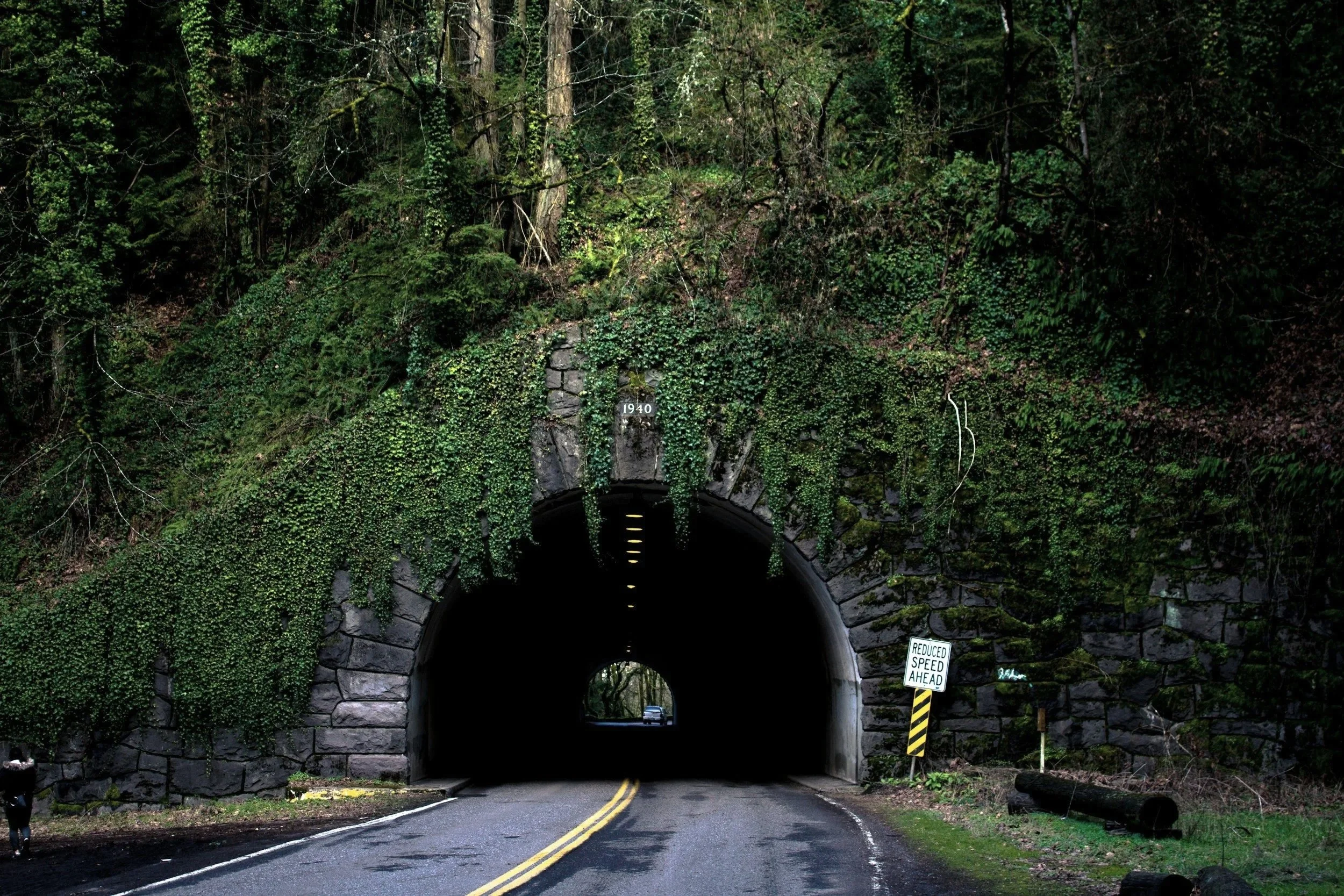
Many young adults are dealing with realities that are routinely downplayed: economic precarity, environmental collapse, and a sense that long-term stability may be nothing more than a fantasy. There's a quiet exhaustion that comes from trying to remain hopeful while surrounded by people with their heads in the sand. That exhaustion doesn't mean something is wrong with you. It means you are paying attention to a reality that others choose to minimize.
How the Nervous System Adapts to Uncertainty

The nervous system is constantly tracking whether the world feels predictable and safe enough to relax. When instability becomes the norm, that system adjusts itself.
Instead of fully powering down and self-regulating, it stays partially activated. Muscles remain tense. Breathing becomes shallower. Sleep may become lighter or disrupted. The body behaves as if it needs to stay ready, even when you're exhausted.
At the same time, energy regulation shifts. When the nervous system cannot find security, it becomes cautious about investing energy. This can feel like pulling back emotionally, having a desire to isolate, and generally feeling stuck.
Because this adaptation happens quietly and over time, many young adults assume these sensations are just personal quirks or baseline anxiety. In reality, they are common bodily responses to prolonged uncertainty.
Understanding this connection can be clarifying. It reframes what you're experiencing as something happening with your body, not something you are doing wrong.
What Therapy Can Help Restore
Therapy isn't about making you feel optimistic about a future that doesn't seem dependable. It's about helping your nervous system regain enough steadiness that you are not constantly bracing, pulling back, or isolating.
When uncertainty is chronic, support through therapy focuses on helping the body come out of constant readiness. As your system settles, it becomes easier to think clearly, stay present, and tolerate not knowing what comes next.
Over time, people notice they feel more responsive to their own lives. Decisions feel less abstract. Conversations feel easier to stay in. You are able to notice how stress shows up in your body and give it permission to rest. There's more room to focus on the choices and decisions that are in your control.
This work does not require you to have answers about the future. It supports your ability to stay engaged and grounded while the future remains uncertain.
"To be hopeful in bad times is not just foolishly romantic. It is based on the fact that human history is a history not only of cruelty, but also of compassion."
Howard Zinn

Next Steps
If you’re seeking thoughtful, depth-oriented therapy and feel aligned with my approach, I invite you to reach out to explore working together.
Let’s begin with a free 15-minute consultation to see if it feels like a good fit.
You don’t get to choose what shaped you, but you do get to choose how it shapes what comes next.