
Perinatal, Postpartum & Parenting Transitions
Support for pregnancy, birth, loss, postpartum healing, and the complex emotional realities of early parenthood.
Perinatal & Postpartum experiences can include tenderness, overwhelm, trauma, grief, or an experience that did not unfold the way you expected.
As a PMH-C therapist, I offer a steady place to process what happened, care for your nervous system, and find your footing again.


This season can hold many stories.


Birth trauma
Loss & grief

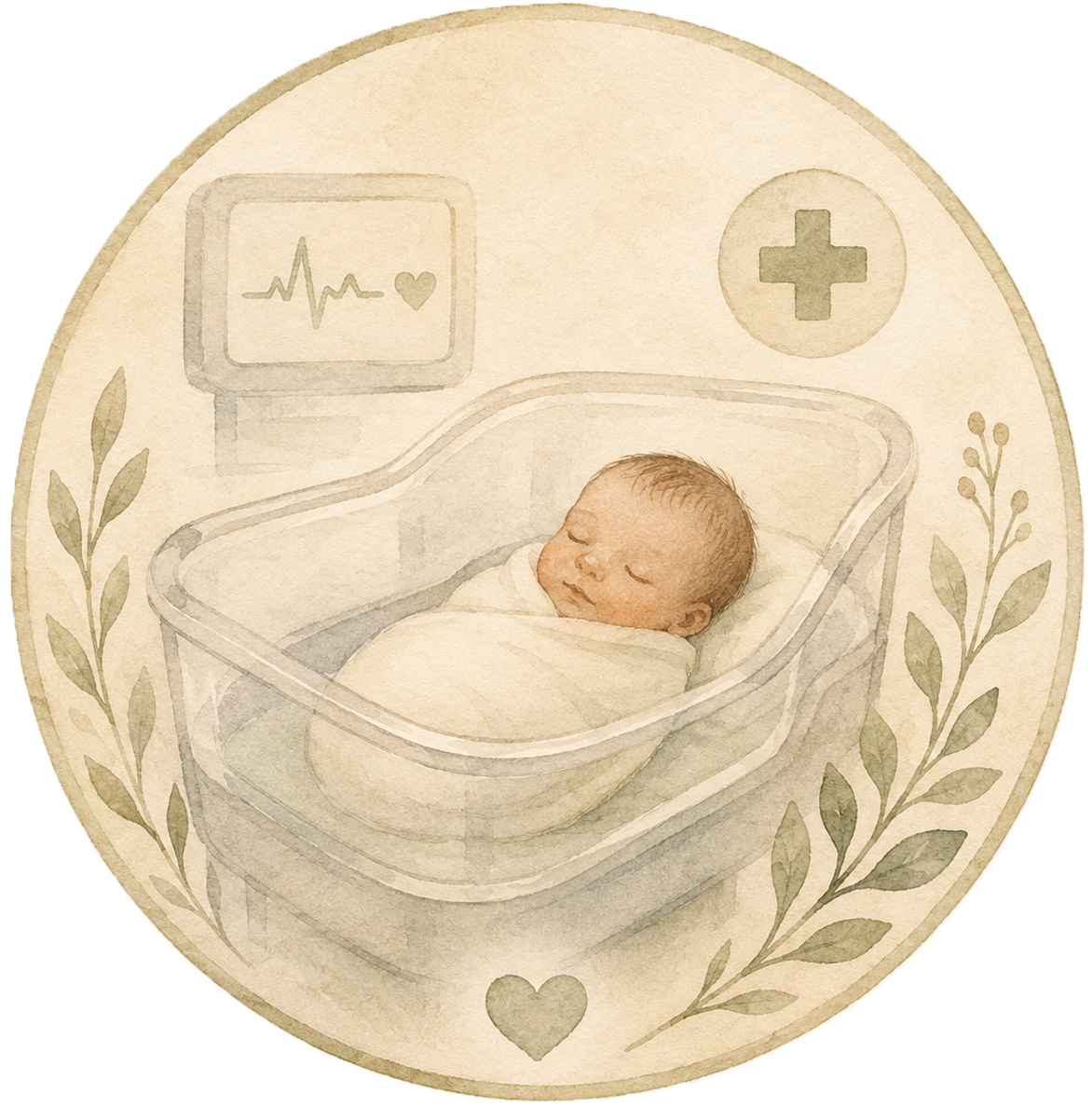

NICU or medical complications
Intrusive thoughts & anxiety


Identity shifts
Relationship strain
Whatever this season has held, your response makes sense.




When it feels heavier than expected
Some parents arrive here after an emergency C-section, difficult recovery, a NICU stay, frightening thoughts, developmental concerns, or profound loss.
Therapy can make room for fear, sadness, numbness, anger, and the parts of you still trying to make sense of what happened.

You are
not failing.
You are
carrying a
great deal.


How therapy
supports
this season

Thoughtful support for a
profoundly changing season.
A grounded, compassionate space to process, heal, and move forward in a way that honors your unique story.
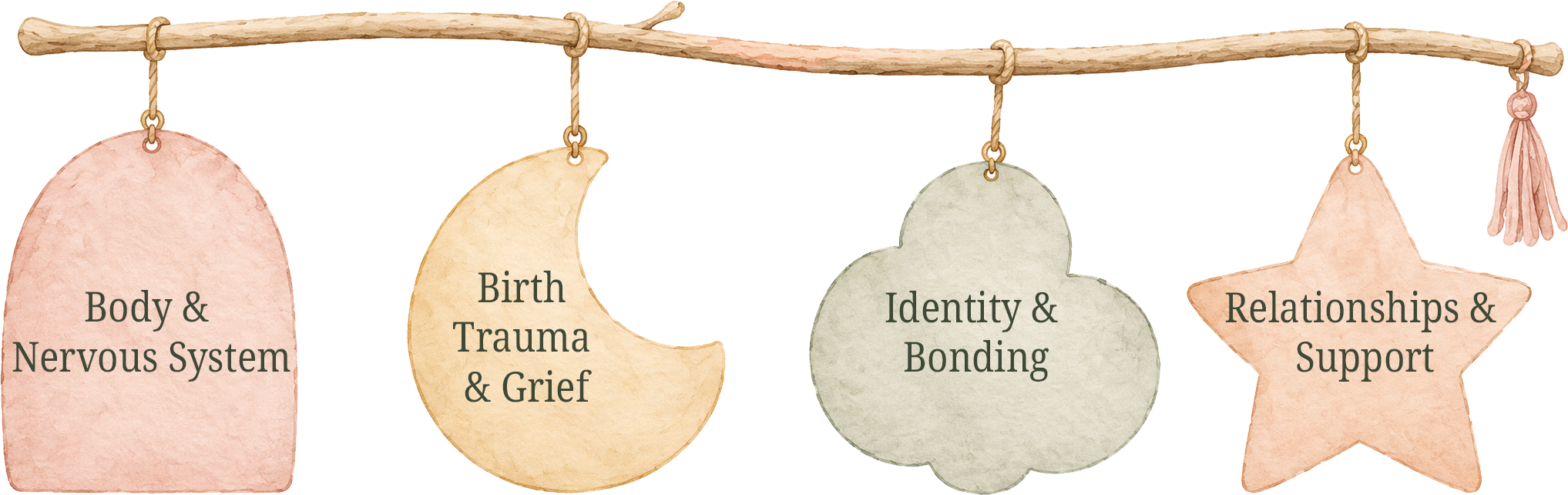
Regulation, rest, and steadiness for your body and mind.
Making space for painful experiences and honoring loss.
Reconnecting with yourself and relating on your own timeline.
Communication, boundaries, and receiving the care you deserve.