Adult Children of Emotionally Immature Parents
Support for the part of you that learned to stay small, stay useful, or stay easy in order to stay connected.
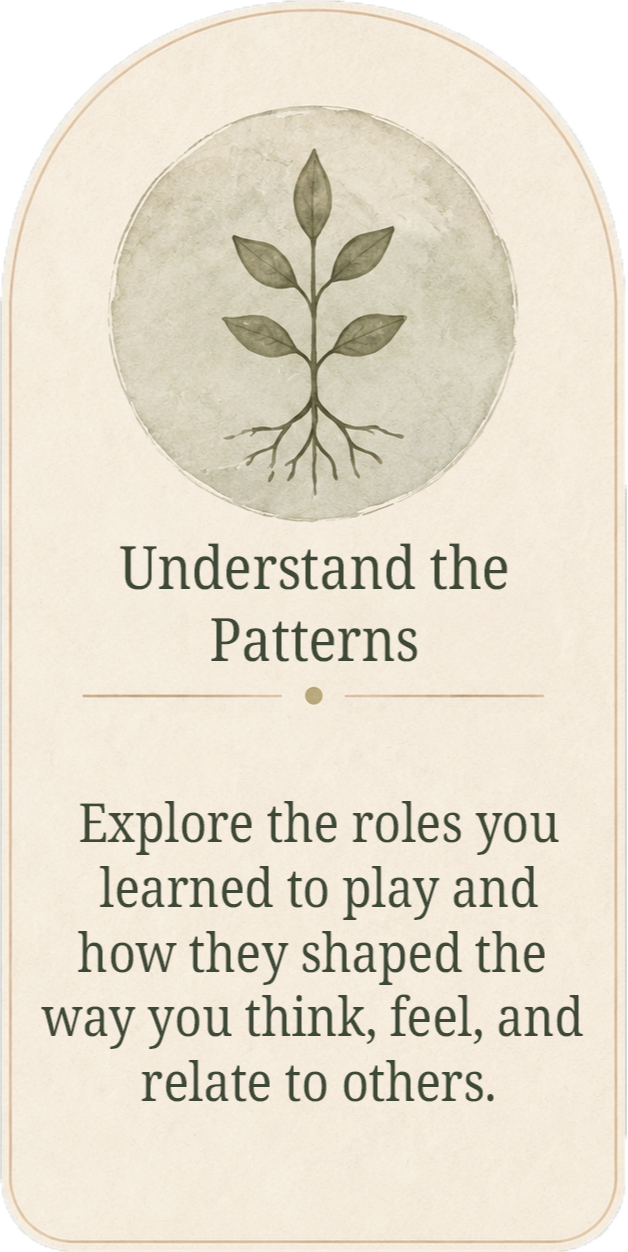
Growing up with an emotionally immature parent can mean learning to manage their feelings before you ever learned to trust your own. You may have become the responsible one, the easy one, the invisible one, or the one who kept the peace.
As an adult, these patterns can show up as people pleasing, chronic guilt, self-doubt, emotional loneliness, difficulty setting limits, or shame when you need care, space, or support. Therapy offers a grounded place to understand what you adapted to, reconnect with the parts of yourself that had to go quiet, and build relationships where your needs and feelings can belong too.


These patterns can show up in many ways.


Chronic Shame
Difficulty trusting your needs


People pleasing
Self abandonment


Walking on eggshells
Over responsibility


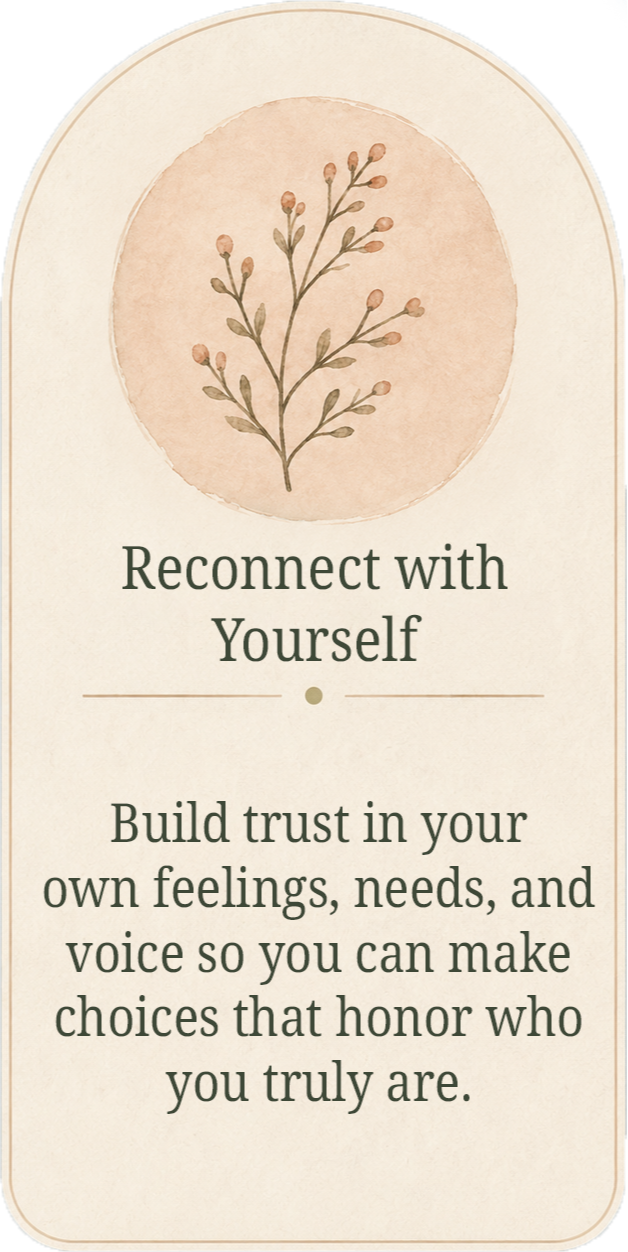
You learned to shape yourself around others. You are allowed to return to yourself.

When the roles you learned still follow you
With an emotionally immature parent, connection may have depended on becoming easy to manage, useful, successful, soothing, or invisible. You may have learned to read the room before reading yourself, and to keep changing in the hopes of gaining approval or affection.
In adulthood, that role can show up as emotional loneliness, self-doubt, over-responsibility, or relationships in which you work hard to be understood but rarely feel fully known.



How therapy can help

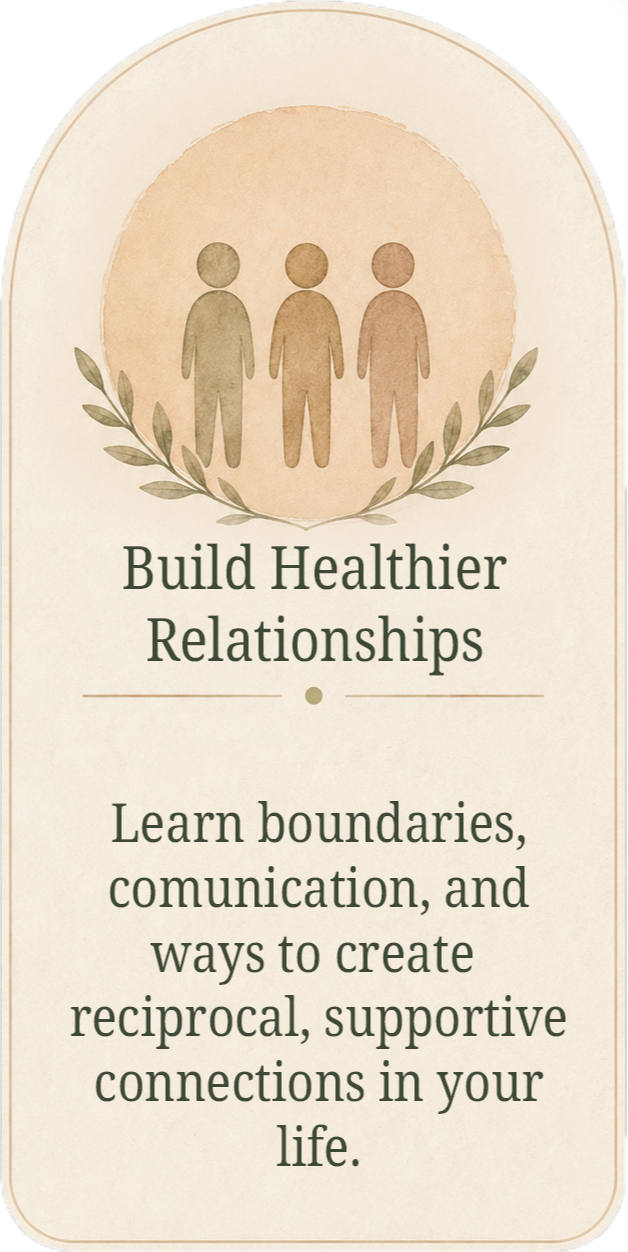
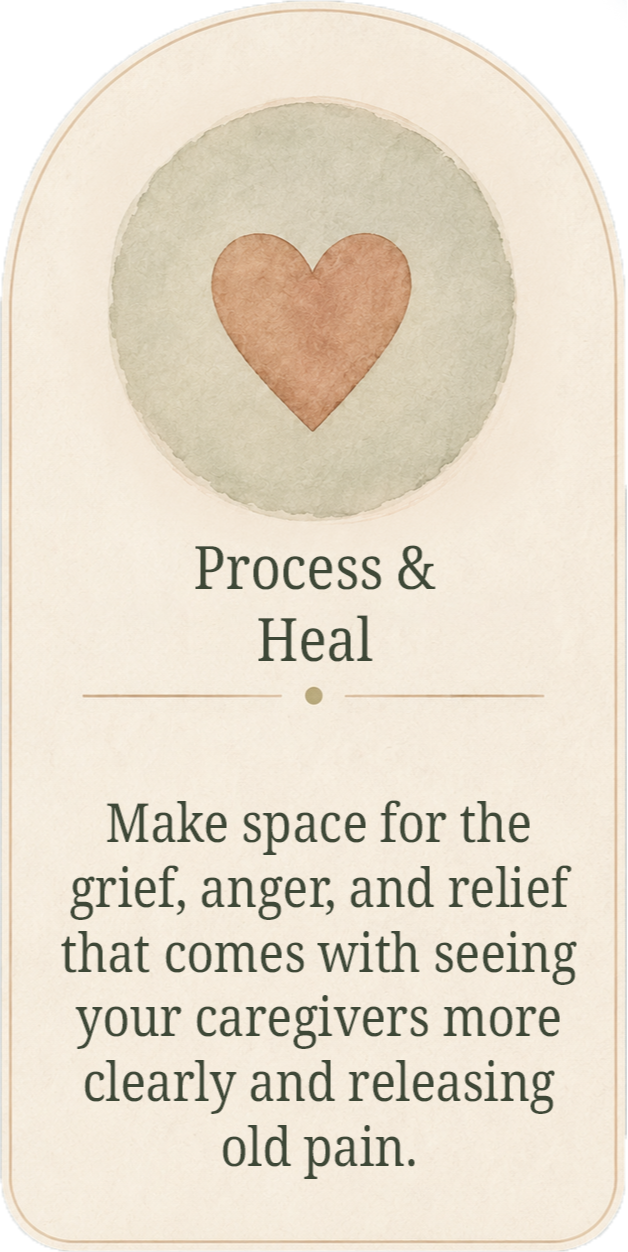
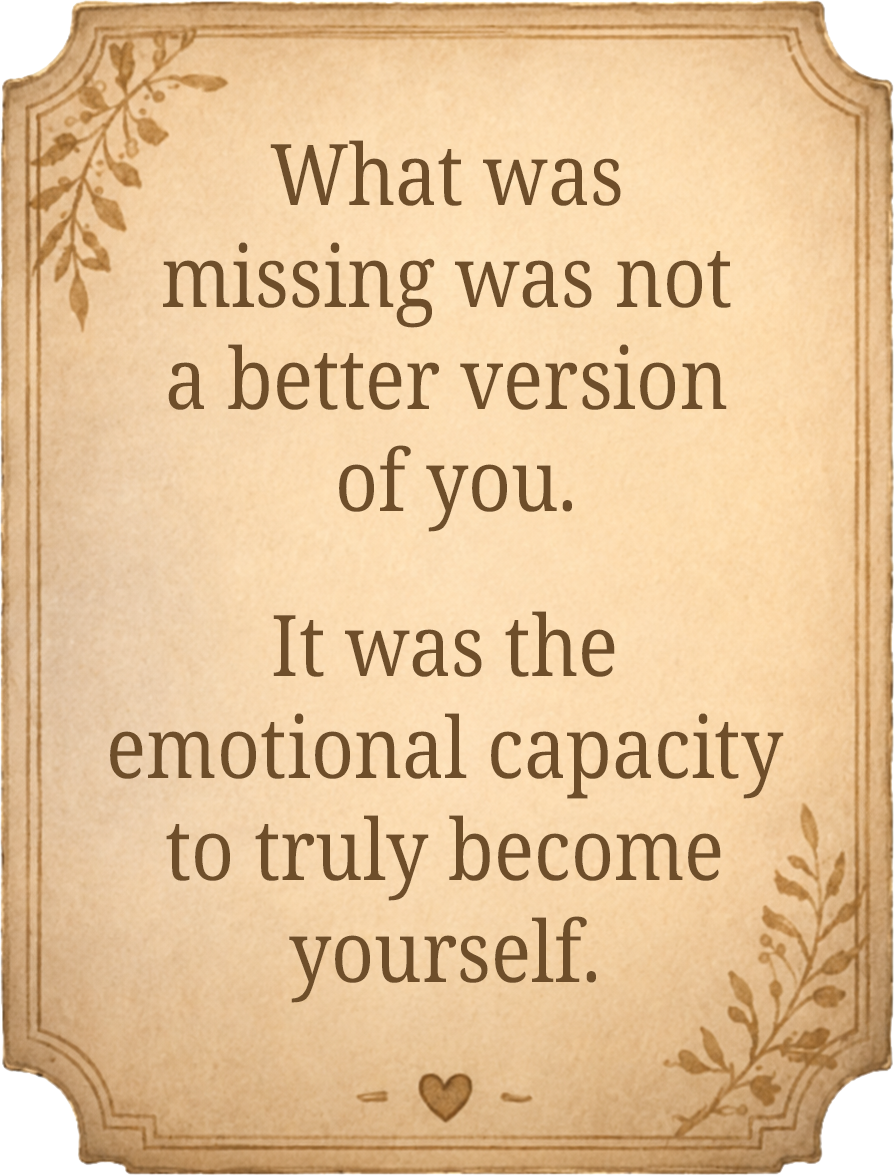
Therapy offers a supportive space to understand the patterns you learned, heal what was missing, and create a life and relationships that feel more authentic, connected, and aligned with who you really are.